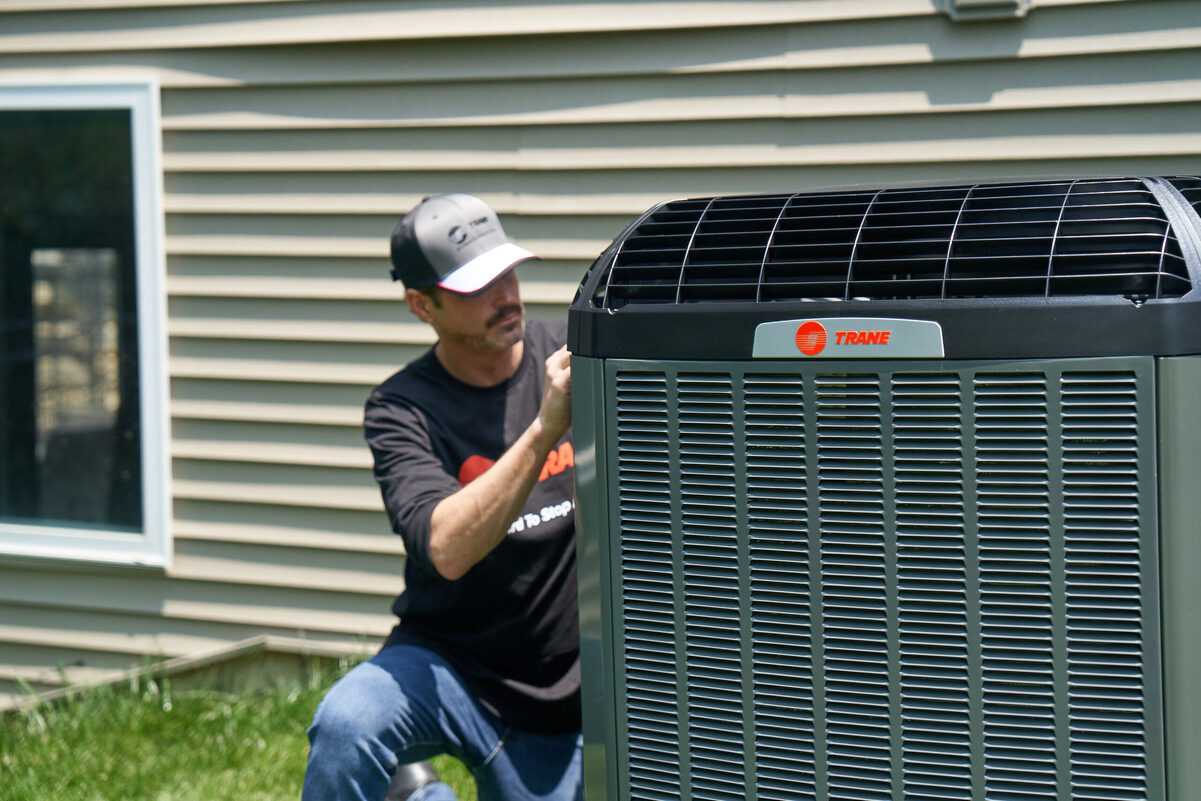
Smart HVAC Choices for Property Owners: A Practical Field Guide to Year-Round Comfort
First, assess the building’s current thermal demands by documenting room sizes, insulation levels, occupant patterns, and usage schedules. This baseline guides right-sizing decisions for AC Installation or Furnace Installation and prevents over- or underspecifying. In practice, a thorough load calculation also flags airflow bottlenecks and duct leaks, shaping priorities for sealing, zoning, and return pathways before any new equipment goes in.
Next, scope system types by comparing lifecycle costs, not just sticker prices. Heat Pumps may deliver efficient heating and cooling in temperate regions, while a Ductless Mini-Split can solve for additions or rooms without existing ducts. Beyond that, evaluate compatibility with your electrical service and any backup plans involving Generators to maintain essentials during outages.
Meanwhile, verify installation workflows to reduce rework and callbacks. Stage materials close to the work zone, protect finishes, and define a clear sequence: demo, duct upgrades, set equipment, connect linesets, charge refrigerant, and commission. Then validate airflow and refrigerant targets against manufacturer specs. A tight process shortens downtime and supports predictable comfort once the system is live.
Often, owners overlook Indoor Air Quality until odors, dust, or allergies surface. Inspect filtration, sealing, and fresh-air strategies during HVAC Maintenance planning, not after problems emerge. Refine filter MERV selections based on fan capacity, and consider humidity control if swings are common. Proper ventilation balancing also reduces negative pressure issues that can draw pollutants from attics, crawlspaces, or garages.
However, budgeting should balance efficiency with resilience. Align equipment tiers with your occupancy horizon and risk tolerance for repairs. A modestly higher SEER or AFUE may pencil out when utility rates rise, but only if ductwork and controls are tuned to realize those gains. Document warranty terms and required maintenance intervals so coverage remains intact across seasons.
Beyond equipment, sequence control strategies for comfort and savings. Calibrate thermostats, set lockouts or balance points for dual-fuel systems, and validate economizer functions on Commercial HVAC units where applicable. Smart zoning reduces wasted conditioning of seldom-used areas. Keep control documentation accessible; the next technician can troubleshoot faster, limiting downtime and disruption to daily operations.
Then, plan for serviceability from day one. Provide clearances for panels, filters, traps, and valves so AC Repair and Furnace Repair tasks can happen without tearing into finishes. Label circuits, condensate routes, and shutoffs. In tight rooms, removable access panels and good lighting reduce service time. Thoughtful layout decisions at install pay dividends over the system’s entire lifecycle.
Finally, structure a maintenance calendar that aligns with usage intensity. Validate airflow, superheat, and subcool readings seasonally, and maintain condensate management to prevent water issues. For heating season, inspect heat exchangers, flame signals, and venting, and for cooling, clean coils and check blower balance. A steady HVAC Maintenance routine catches drift early and preserves efficiency, comfort, and equipment longevity.
Separately, plan for transitions before failure. Document model numbers, filter sizes, and motor data so replacements are swift. Buffer project schedules by ordering long-lead parts ahead of peak seasons. If a system approaches end-of-life, phase the upgrade: address duct remediation first, then equipment, and conclude with controls and final balancing for a tight handoff.
Finally, reflect on long-term adaptability. As occupancy changes, loads shift; revisit setpoints, schedules, and zoning annually. Validate that heat pumps, furnaces, or mini-splits remain properly matched to current needs. When expanding, stage capacity thoughtfully rather than oversizing. By treating HVAC as a managed asset, owners protect comfort and cost control through deliberate planning and timely action.